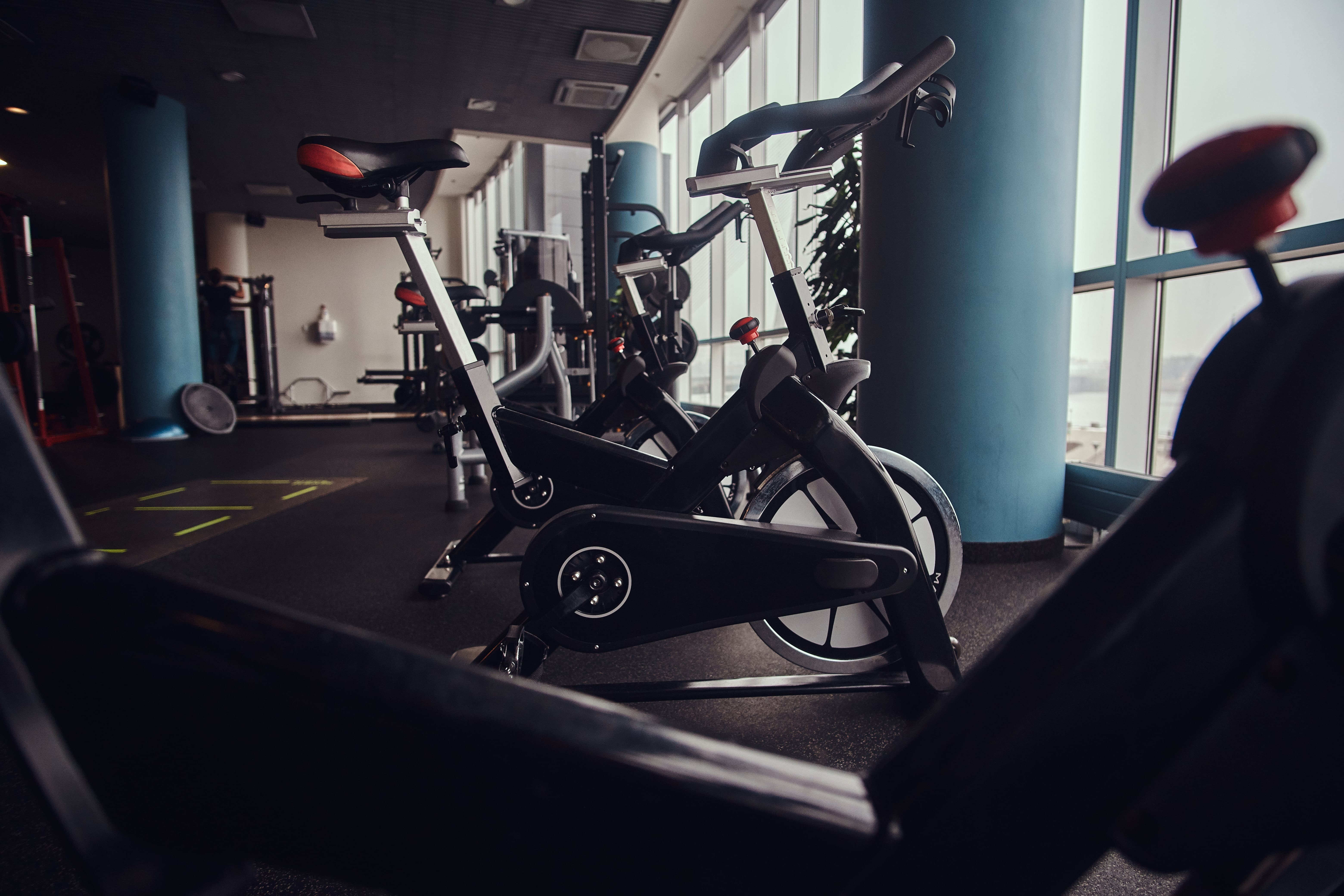
Best Static Cycle For Exercise
Add a review FollowOverview
-
Founded Date August 5, 1921
-
Sectors TEST
-
Posted Jobs 0
-
Viewed 13
Company Description
7 Simple Secrets To Totally Rocking Your Gym Bike For Sale
The Ultimate Guide to Finding the Right Gym Bike for Sale
Investing in physical fitness equipment for the home is one of the most reliable ways to preserve consistency in a health journey. Among the numerous pieces of cardio equipment available, the fixed exercise cycles for sale bike stays a perennial favorite. It is low-impact, extremely efficient for cardiovascular health, and appropriate for users of all fitness levels.
Nevertheless, looking for a “fitness center bike for sale” can quickly become overwhelming. With countless brands, resistance types, and technological features on the market, finding the right fit requires cautious factor to consider. This extensive guide checks out whatever one requires to know to make an informed purchase.
Why Buy a Gym Bike?
Before diving into the buying procedure, it deserves examining why stationary cycle for exercise bikes are such a popular financial investment. Unlike working on a treadmill or pavement, biking locations very little tension on the joints, making it perfect for injury recovery, older grownups, and individuals carrying extra weight.
Additionally, modern indoor exercise bikes home use incredible flexibility. Whether someone wants a leisurely pedal while checking out a book, a high-intensity period training (HIIT) session, or an immersive virtual class, a quality health club bike can deliver.
Kinds Of Gym Bikes for Sale
The very first action in searching for an good exercise bike bike is comprehending the 3 primary classifications available on the market. Each accommodates various riding styles, physical requirements, and area restrictions.
1. Upright Bikes
Upright bikes closely mimic the feel of a standard outside bicycle. The user sits upright, and the pedals are placed straight beneath the body.
- Best for: General fitness, endurance training, and users who choose a standard biking posture.
- Pros: Compact footprint, engages core muscles, and uses a large range of resistance levels.
- Cons: Can cause lower back or neck stress during long sessions for some users.
2. Recumbent Bikes
Recumbent bikes feature a bigger, bucket-style seat with a backrest, and the pedals are placed out in front of the user rather than underneath.
- Best for: Rehabilitation, people with pain in the back, and longer, comfy cardio sessions.
- Pros: Exceptional lumbar assistance, extremely comfortable, and easy to mount and dismount.
- Cons: Takes up more floor space and generally does not provide the exact same intensity as upright or indoor cycles.
3. Indoor Cycles (Spin Bikes)
Indoor cycles are developed to imitate roadway cycling. They include heavy weighted flywheels, adjustable handlebars, and forward-leaning seating geometries.
- Best for: High-intensity workouts, spin classes, and serious bicyclists.
- Pros: Highly long lasting, permits out-of-the-saddle climbing, and offers a tough, fluid Good Exercise Bicycle.
- Cons: Can be tough on the sit bones at first and usually lacks pre-programmed electronic exercises unless coupled with a membership app.
Key Features to Evaluate
When searching options for a fitness center bike for sale, buyers ought to look beyond the price and assess specific efficiency and convenience features.
- Resistance Mechanism: Bikes typically utilize friction resistance (pads pressing versus the flywheel) or magnetic resistance (magnets developing a magnetic field). Magnetic resistance is generally quieter, smoother, and requires essentially no upkeep.
- Flywheel Weight: For indoor cycles, a heavier flywheel (usually 30 to 40+ pounds) provides a smoother, more authentic momentum stroke.
- Adjustability: Ensure the seat and handlebars change both vertically and horizontally to attain an ergonomic fit.
- Console and Connectivity: Modern bikes range from easy LCD screens displaying time, speed, and calories to large HD touchscreens that stream live and on-demand classes by means of subscriptions like Peloton or iFit.
- Weight Capacity: Always inspect the maximum user weight to ensure structural stability and safety.
Comparing Gym Bike Types
To help envision the differences in between the main bike types, refer to the comparison table below:
| Feature | Upright Bike | Recumbent Bike | Indoor Cycle (Spin) | |||
|---|---|---|---|---|---|---|
| Primary Focus | General cardio & & toning Convenience & rehabilitation High-intensity & & endurance Seating Position Upright, vertical Reclined with backrest Forward-leaning, athletic Footprint CompactLarge Moderate to compact Joint Impact Low Really Low Low Core Engagement Moderate Low
| High Normal Price Range ₤ 300
| — ₤ 1,000 ₤ 400– ₤ 1,200 ₤ |
| |||
| 500– ₤ 2,000+New vs. | Used Gym | Bikes | for Sale Another essential decision purchasers | face is whether to acquire a brand-new design or look
| for second-hand
| devices | |
| . Both paths have | distinct | benefits and drawbacks. Buying New Pros | ||||
| : Comes with a complete producer service warranty covering parts and labor. Access to the most recent technology, touchscreens, and | software updates. Pristine condition with zero wear and
tear. Cons: Higher in advance cost. Assembly might be needed(or additional assembly fees ). Purchasing Used Pros: Significant cost savings; high-end business bikes can often be found at a portion of their market price. Terrific method to check out a physical fitness pastime without a huge monetary
, and steady frame building and construction. Red Flags to Watch Out For
bike (generally retailing for ₤ 2,000+)listed for ₤ 100 is typically a fraud or shows severe structural damage. No Return Policy: If purchasing from a lesser-known online seller, ensure there is a clear returnpolicy in case the equipment gets here harmed. Tips to Maximize Your Investment Once the ideal gym bike is protected and provided, appropriate maintenance guarantees it lasts for years to come: Wipe Down Regularly
|