

Exercise Bike For Sale
Add a review FollowOverview
-
Founded Date March 16, 1928
-
Sectors TEST
-
Posted Jobs 0
-
Viewed 8
Company Description
Why Adding A Buy Exercise Bike To Your Life Will Make All The An Impact
The Ultimate Guide to Buying the Perfect Exercise Bike for Your Home
Purchasing home fitness equipment is one of the finest decisions a person can make for their long-term health and wellness. Amongst the wide variety of readily available choices, the exercise bike stays a timeless favorite. It is low-impact, highly efficient for cardiovascular health, and flexible enough for everyone from casual exercisers to extreme athletes.
However, walking into the market to buy an exercise bike can be frustrating. With many brands, varied resistance systems, and a wide variety of technological functions, how does one select the best home exercise equipment machine?
This thorough guide breaks down whatever a purchaser needs to understand before making a purchase.
Why Buy an Exercise Bike?
Before diving into the specifications, it deserves evaluating the advantages of owning an exercise bike.
- Low-Impact Cardio: Unlike running or high-intensity period training (HIIT) on difficult surfaces, biking puts minimal stress on the knees, ankles, and hips.
- Convenience: Bad weather, traffic, and absence of time prevail barriers to going to the health club. A home bike removes these obstacles totally.
- Weight Loss and Toning: Cycling burns substantial calories and primarily targets the lower body– quads, hamstrings, glutes, and calves– while likewise engaging the core.
- Mental Health Benefits: Regular cardio releases endorphins, decreases stress, and enhances sleep quality.
Types of Exercise Bikes
The initial step in the purchasing process is comprehending the different classifications of exercise bikes readily available on the market. Each type deals with a different riding design and physical need.
1. Upright Bikes
Upright bikes simulate the feel of a conventional outdoor roadway bicycle. The user sits in an upright position, which needs more core stabilization.
- Best for: General physical fitness, endurance training, and users who want a timeless riding experience.
- Pros: Compact footprint, engages upper body and core more than other styles.
- Cons: The saddle can be uncomfortable for prolonged periods.
2. Recumbent Bikes
Recumbent bikes include a larger, bucket-style seat with a back-rest, and the pedals are placed out in front of the user instead of underneath.
- Best for: Beginners, senior citizens, individuals with back or joint issues, and rehab.
- Pros: Excellent lumbar support, extremely comfortable, very steady.
- Cons: Takes up more floor space, doesn’t engage the core as intensely.
3. Indoor Cycling Bikes (Spin Bikes)
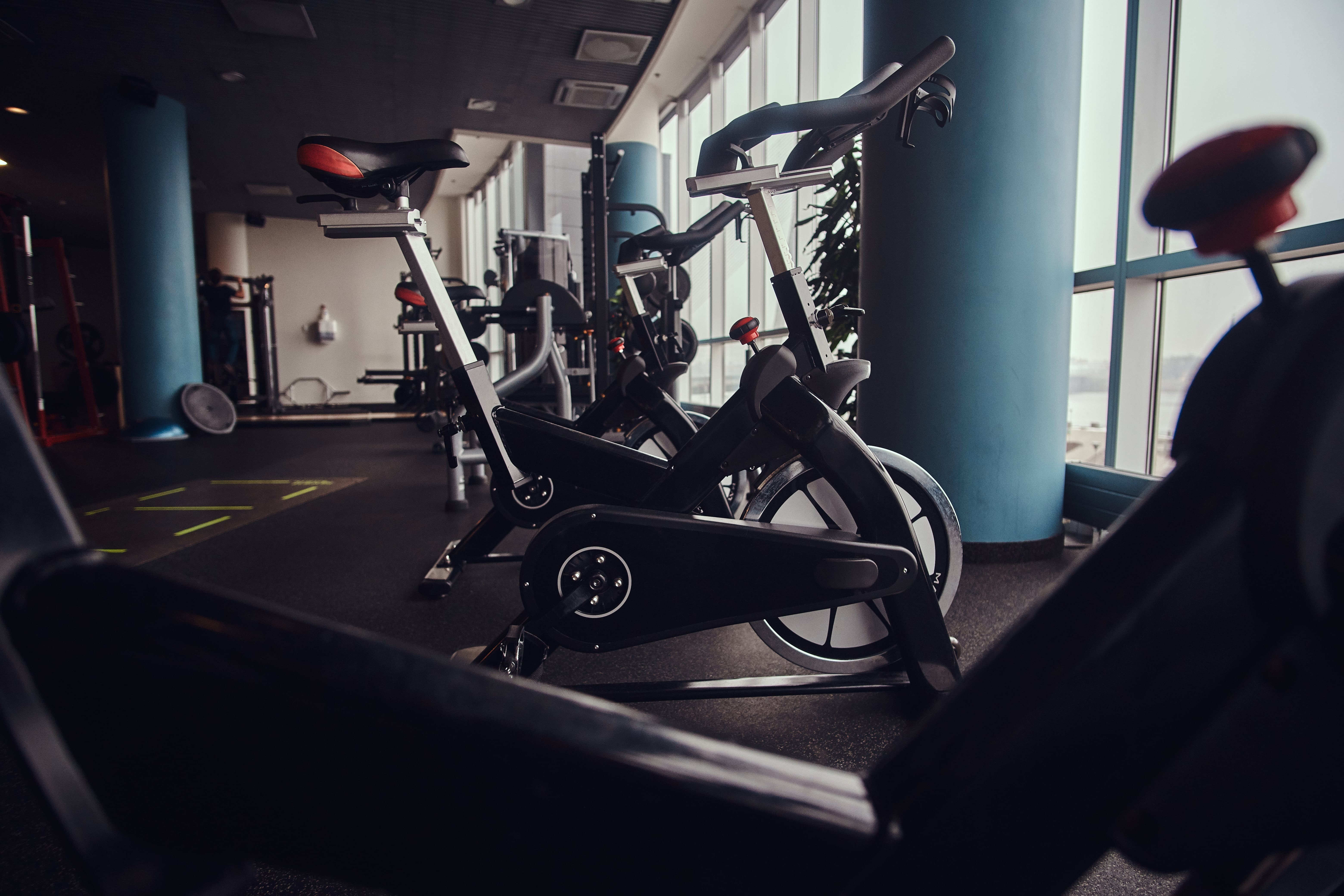
These bikes are developed to replicate outdoor racing bikes exercise for sale. They include heavy flywheels, direct-resistance systems, and permit the rider to stand up out of the saddle for hill climbs and runs.
- Best for: High-intensity exercises, spin class enthusiasts, and advanced cyclists.
- Pros: Highly long lasting, permits intense exercises, mimics roadway cycling precisely.
- Cons: Can be hard on joints if kind isn’t kept; saddles are typically narrow and firm.
Secret Features to Compare
When shoppers set out to buy an exercise bike, they need to examine a number of core technical requirements to guarantee they get value for their cash.
| Function | What to Look For | Why It Matters |
|---|---|---|
| Resistance Type | Magnetic vs. Friction | Magnetic resistance is smoother, quieter, and needs essentially no maintenance compared to felt-pad friction resistance. |
| Flywheel Weight | 15– 40 pounds (for spin bikes) | A heavier flywheel normally offers a smoother, more consistent momentum that mimics outdoor riding. |
| Adjustability | Seat (vertical/horizontal) & & Handlebars Correct fit | avoids injuries and makes sure comfort during long sessions. Search for multi-way adjustable seats. |
| Console & & Tech | LCD, Touchscreens, App Integration | Varying from basic metric trackers (speed, time, range) to immersive virtual classes through apps like Peloton or Zwift. |
| Weight Capacity | Stated optimum user weight | A higher weight limitation usually suggests a stronger, higher-quality frame building. |
Evaluating Your Budget and Space
Stationary bicycle differ hugely in rate, varying from economical designs under ₤ 200 to luxury, commercial-grade smart bikes costing upwards of ₤ 2,000.
Budget Breakdown:
- Under ₤ 300: Basic magnetic upright or recumbent bikes. Great for casual users who just wish to pedal exerciser while enjoying television. They typically have easier display screens and lighter flywheels.
- ₤ 300– ₤ 800: The sweet area for many home exercise equipment users. These use sturdier frames, smoother magnetic resistance, much better ergonomics, and fundamental Bluetooth connection for fitness tracking apps.
- ₤ 800– ₤ 2,000+: Premium clever bikes. These function big HD touchscreens, automated resistance modifications controlled by virtual instructors, heavy-duty build quality, and access to subscription-based fitness platforms.
Space Considerations:
Before clicking “buy,” measure the desired workout area.
- Upright and spin bikes have a smaller footprint (roughly 3 feet by 2 feet) and can quickly suit a corner or bed room.
- Recumbent bikes are longer (often 5 feet or more) due to the reclined seating position and require more floor area.
Step-by-Step Buying Checklist
To make the decision much easier, potential buyers should stroll through this quick list:
- Define Primary Goals: Is the goal weight-loss, rehab, high-intensity training, or casual motion? Match the objective to the bike type (Recumbent, Spin, or Upright).
- Check User Height and Weight: Ensure the bike’s adjustable seat and weight capacity safely accommodate everybody in the family who will utilize it.
- Examine Noise Levels: If living in an apartment or exercising early in the morning, prioritize magnetic resistance over friction resistance to keep workouts whisper-quiet.
- Think about Subscriptions: Many modern bikes need a regular monthly subscription charge (e.g., ₤ 39/month) to unlock the complete capacity of their touchscreens. Factor this continuous expense into the total budget.
- Evaluation the Warranty: A quality stationary bicycle should come with at least a frame guarantee of 5 years to lifetime, and 1– 2 years for parts and electronics.
Final Thoughts
Choosing to purchase an cycle exercise home bike is a financial investment in individual health that pays dividends for years to come. By comprehending the distinctions between upright, recumbent, and spin designs, and by carefully weighing factors like resistance, area, and budget, purchasers can find a maker that keeps them motivated and moving.
Put in the time to examine individual needs, checked out consumer evaluations, and choose a dependable brand name. When the bike gets here, all that is delegated do is hop on, adjust the seat, and begin pedaling towards a healthier lifestyle.