

Exercise Cycle For Sale
Add a review FollowOverview
-
Founded Date October 14, 1904
-
Sectors TEST
-
Posted Jobs 0
-
Viewed 3
Company Description
The Three Greatest Moments In Exercise Bicycle History
Spin to Win: The Ultimate Guide to Choosing and Using an Exercise Bicycle
In the contemporary landscape of physical fitness, benefit is king. With hectic work schedules, unpredictable weather condition, and family dedications, finding the time to strike the health club can seem like an impossible task. Get in the simple exercise bicycle— a timeless piece of fitness devices that has actually gone through an enormous technological renaissance.
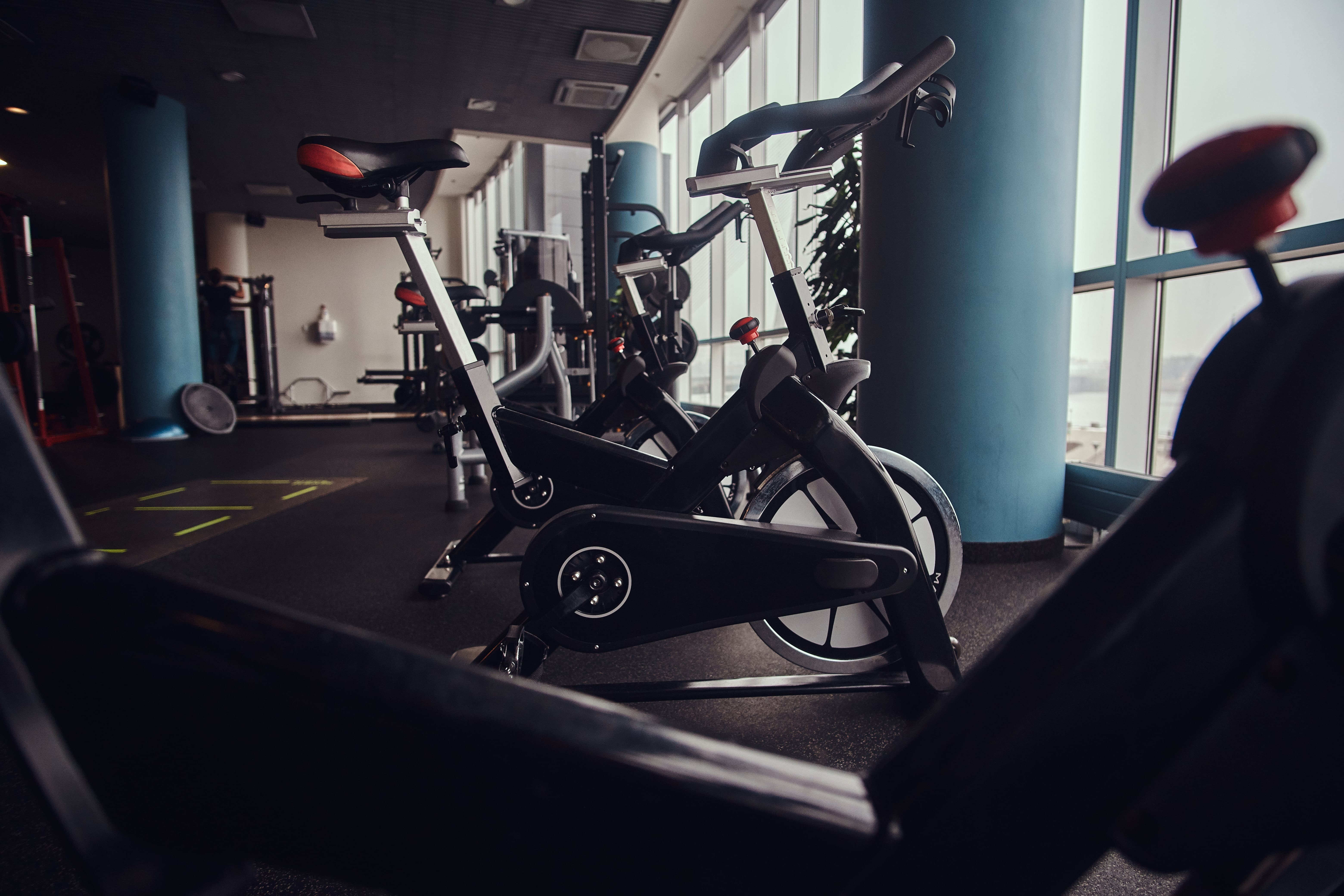
Whether one is intending to shed a few pounds, train for a marathon, or just keep cardiovascular health while catching up on a preferred tv show, the exercise bike remains an outstanding financial investment. This thorough guide checks out everything one needs to understand about stationary bikes, from their extensive health benefits to picking the ideal design and enhancing exercises.
Why Choose an Exercise Bicycle? The Health Benefits
Pedaling away on a stationary bicycle uses even more than just a practical way to break a sweat. It is a powerhouse of physical advantages, making it suitable for everyone from elite professional athletes to physical treatment clients.
1. Low-Impact Joint Protection
Unlike operating on a treadmill or pounding the pavement, biking is a low-impact great exercise bikes. It positions very little tension on the hips, knees, and ankles. The continuous, circular movement of pedaling enables users to raise their heart rate and construct lower-body strength without the extreme ground-reaction forces that often cause joint discomfort.
2. Cardiovascular Endurance
Cardio is the foundation of heart health. Routine indoor biking enhances the heart muscle, reduces resting heart rate, minimizes blood pressure, and enhances overall blood circulation.
3. Targeted Muscle Tone
While biking is primarily an aerobic workout, it is exceptional for developing lower-body strength. It actively engages:
- Quadriceps: The muscles on the front of the thighs, used mostly throughout the down push.
- Hamstrings: The muscles on the back of the thighs, engaged during the pull-up phase of the pedal stroke.
- Glutes: The main chauffeur for power and speed.
- Calves: Used to support the foot and ankle throughout the rotation.
- Core: Engaging the abdominals and lower back is necessary to preserve appropriate posture, especially during high-intensity periods.
The Big Three: Types of Exercise Bicycles
Not all fixed bikes are developed equivalent. Comprehending the 3 main categories helps purchasers match their purchase to their specific physical fitness objectives.
| Bike Type | Finest Suited For | Secret Characteristics | Comfort Level |
|---|---|---|---|
| Upright Bike | Standard biking feel, full-body engagement | Vertical posture, smaller sized saddle, looks like a road bike. | Moderate (can trigger saddle fatigue on long trips). |
| Recumbent Bike | Back assistance, senior citizens, rehabilitation, convenience | Easygoing reclining seat, pedals placed forward, backrest. | High (exceptional lumbar support). |
| Indoor Cycle (Spin) | High-intensity interval training (HIIT), road bike simulation | Heavy flywheel, adjustable resistance knobs, handlebars for standing. | Low to Moderate (designed for efficiency, not relaxing). |
Key Features to Look For When Buying
Purchasing an mini exercise Bike bicycle needs examining several technical elements to guarantee it satisfies the user’s needs and budget.
1. Resistance Mechanism
- Friction Resistance: Uses felt pads that press against the flywheel. It is cost effective and uses limitless resistance levels, however the pads ultimately wear down and require replacement.
- Magnetic Resistance: Uses magnets to create a magnetic field around the flywheel. It is practically quiet, extremely smooth, requires absolutely no upkeep, and tends to last longer.
2. Flywheel Weight
The flywheel dictates how smooth the pedal stroke feels. Generally, much heavier flywheels (typically 20-40 pounds on indoor cycles) supply greater momentum, mimicking the feel of riding a genuine bicycle outdoors. Lighter flywheels typically rely on greater gear ratios to create resistance.
3. Adjustability
A bike that does not fit appropriately can lead to injury and discomfort. Look for a design with:
- Vertical and horizontal seat changes.
- Handlebars that change for height and reach.
- Toe cages or SPD-compatible pedals to protect the feet.
4. Console and Connectivity
Modern stationary bicycle range from fundamental LCD screens displaying time, speed, and calories to wise bikes geared up with enormous HD touchscreens. These wise screens permit users to stream live and on-demand classes, track metrics in time, and trip virtual picturesque routes around the world.
Tips for Maximizing an Indoor Cycling Workout
Simply getting on a bike and pedaling casually will yield modest outcomes. To genuinely transform physical fitness levels, riders must implement tactical training methods.
- Prioritize Proper Bike Setup:
- Set the seat height so there is a slight bend in the knee (about a 25 to 30-degree angle) at the extremely bottom of the pedal stroke.
- Make sure the handlebars are high enough to avoid lower back stress.
- Include Interval Training: Alternate between high-intensity sprints (pushing for speed or heavy resistance for 30– 60 seconds) and active recovery periods (moderate pedaling for 1– 2 minutes). This improves calorie burn and enhances cardiovascular capacity much faster than steady-state cardio alone.
- Preserve Resistance: Avoid “ghost pedaling”– pedaling with absolutely no resistance at lightning-fast speeds. This does little bit for muscle engagement. Constantly keep enough resistance on the wheel to feel linked to the pedal stroke.
- Stay Hydrated and Fueled: Indoor cycling triggers profuse sweating. Constantly keep a water bottle within arm’s reach and a towel draped over the handlebars.
Sample Beginner Workout Routine
For those unsure where to begin, here is a basic 30-minute beginner-friendly regular developed to develop endurance securely.
- Minutes 0– 5 (Warm-Up): Easy pedal at a comfy cadence with light resistance. Focus on smooth, circular pedal strokes.
- Minutes 5– 10 (Build): Increase resistance a little. Shift from a seated position to a light push, raising the heart rate.
- Minutes 10– 22 (Intervals):
- Push (1 minutes): Increase resistance or speed considerably.
- Recover (2 min): Ease off the resistance and pedal slowly to catch your breath.
- Repeat this cycle 4 times.
- Minutes 22– 27 (Steady State): Moderate resistance, maintaining a constant, comfortable speed.
- Minutes 27– 30 (Cool-Down): Drop the resistance pull back to zero or near-zero and pedal gradually to bring the heart rate back to normal. End up with lower-body stretches.
The exercise bicycle remains an undeniable champion in the realm of best home exercise machine fitness. By using a powerful mix of cardiovascular conditioning, lower-body conditioning, and joint-friendly motion, it offers an effective workout for essentially anyone. Whether investing in a modern smart bike for immersive studio-style classes or choosing a basic, affordable recumbent bike for casual evening pedaling, the course to much better health is simply a pedal stroke away.