

Bike Home Exercise
Add a review FollowOverview
-
Founded Date July 2, 1944
-
Sectors TEST
-
Posted Jobs 0
-
Viewed 7
Company Description
What Experts In The Field Of Home Exercise Bike Want You To Be Able To
Pedaling to Peak Fitness: The Ultimate Guide to Home Exercise Bikes
In an age where convenience rules our everyday routines, discovering time to strike the fitness center can seem like an impossible obstacle. In between long work hours, household commitments, and unforeseeable weather condition, preserving a constant fitness routine frequently takes a rear seat. Enter the home exercise bike– an ageless, highly effective piece of physical fitness equipment that has undergone a modern-day digital revolution.
Whether the goal is to slim down, improve cardiovascular health, or train for a marathon, a stationary bicycle uses a low-impact, high-reward exercise right from the comfort of the living-room. This comprehensive guide checks out everything one needs to understand about selecting, using, and maximizing exercises on a home exercise equipment best stationary bicycle.
Why Choose a Home Exercise Bike?
Investing in home fitness devices is a huge decision, however exercise bikes remain among the most popular choices for several engaging reasons:
- Joint-Friendly Workout: Unlike running or high-impact aerobics, biking puts very little tension on the knees, ankles, and hips. It appropriates for any ages and fitness levels.
- Cardiovascular Health: Regular biking reinforces the heart, decreases high blood pressure, and improves general lung capacity.
- Calorie Burning: Depending on intensity, a person can burn anywhere from 400 to 600 calories per hour on a stationary bicycle.
- Weather-Proof Consistency: Rain, snow, or severe heat will never ever hinder a scheduled workout again.
- Multitasking Capability: It is simple to capture up on a favorite television program, listen to an audiobook, or even check out while pedaling at a moderate pace.
Understanding the Types of Exercise Bikes
Before diving into the marketplace, it is important to understand that not all stationary bicycle are created equal. Various designs accommodate various body types, fitness goals, and space constraints.
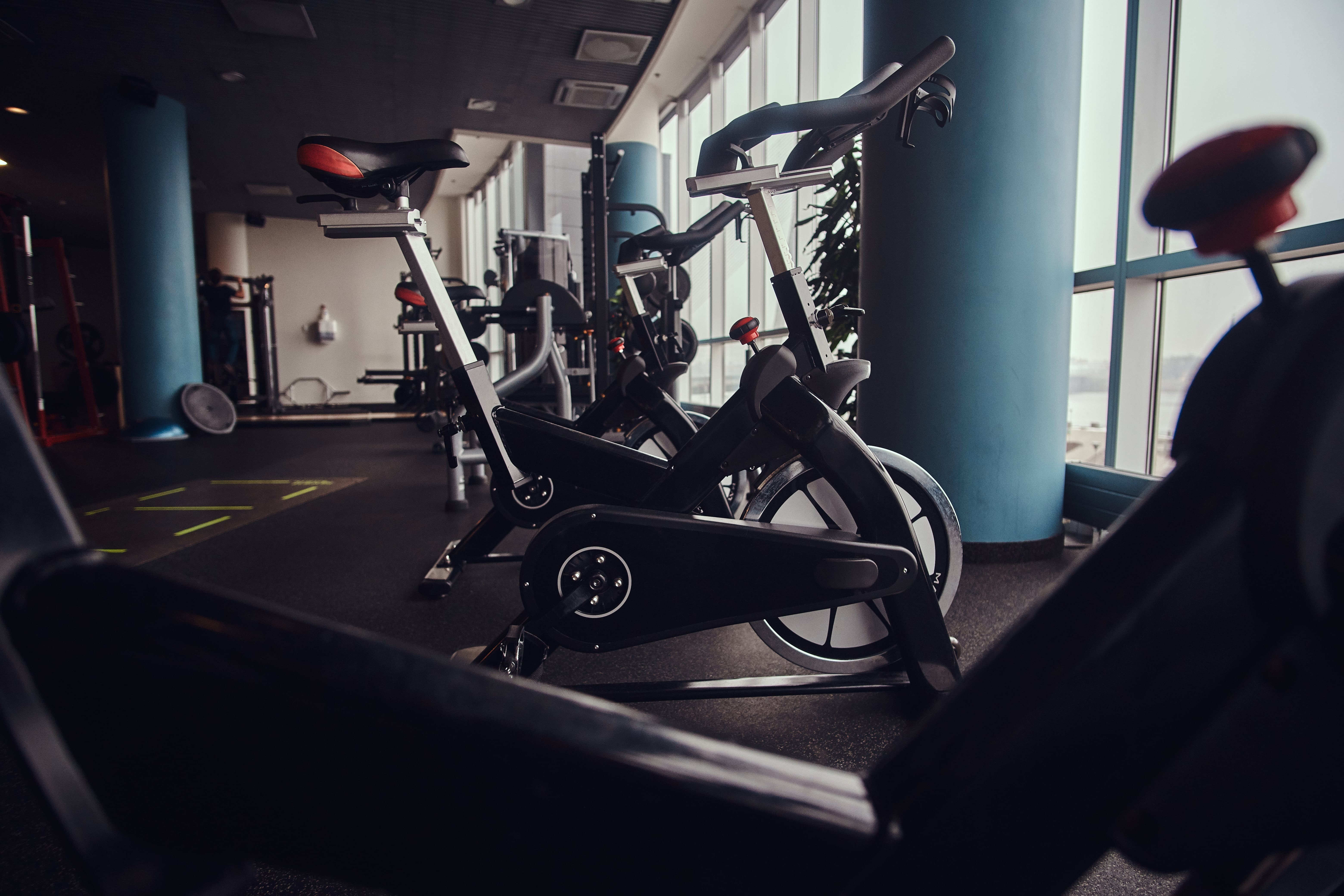
1. Upright Bikes
Upright bikes mimic the feel of a conventional road bicycle. The rider sits upright, and the pedals are positioned directly beneath the body.
- Best for: General physical fitness, muscle toning, and standing-climb periods.
- Pros: Compact footprint, engages core muscles efficiently.
- Cons: Can trigger lower back or neck strain throughout long sessions for some users.
2. Recumbent Bikes
Recumbent bikes include a laid-back, bucket-style seat with a backrest, and the pedals are placed out in front of the rider rather than beneath.
- Best for: Beginners, older adults, people with neck and back pain, and long, steady-state cardio sessions.
- Pros: Excellent back assistance, highly comfortable, extremely steady.
- Cons: Takes up more floor area; less efficient for high-intensity, out-of-the-saddle sprinting.
3. Indoor Cycling Bikes (Spin Bikes)
These bikes are created to replicate outdoor racing bikes. They include heavy flywheels, direct-resistance systems, and enable the rider to stand and pedal– a staple of store spin classes.
- Best for: High-intensity interval training (HIIT), severe bicyclists, and immersive digital classes.
- Pros: Highly long lasting, mimics real roadway biking, enables intense caloric burn.
- Cons: Seats can be uncomfortable at first; needs proper form to prevent injury.
Comparing the Options: At-a-Glance
To assist imagine the differences, the following table breaks down the key features of each significant bike type:
| Bike Type | Primary Focus | best stationary bikes for exercise Suited For | Footprint | Impact on Joints |
|---|---|---|---|---|
| Upright | General Cardio | Daily fitness lovers | Little | Low to Moderate |
| Recumbent | Convenience & & Rehabilitation Beginners & those with | back problems & Large Extremely Low Spin/ Indoor High-Intensity/ Power Experienced riders & HIIT fans Medium Low | ||
| Secret Features to | Look For When shopping for | a home exercise bike, & consumers | need to | evaluate |
a number of technical specifications
to guarantee the device satisfies their needs: Resistance Mechanism: Friction resistance utilizes felt pads(typical in budget plan spin bikes and needs periodic replacement
- ), while magnetic resistance uses magnets and metal flywheels for a smoother, quieter, and maintenance-free trip. Flywheel Weight: Generally, heavier flywheels(typically 30– 40 pounds for spin bikes)provide a smoother, more momentum-driven pedal stroke. Adjustability: Ensure the seat changes both vertically and horizontally, and preferably, inspect that the handlebars are adjustable as well.
- An appropriate fit avoids injuries. Console and Connectivity: Modern bikes vary from standard LCD screens displaying time, speed, and calories to enormous HD touchscreens that stream live and on-demand classes
- by means of subscriptions like Peloton, iFit, or Zwift. Weight Capacity: Always inspect the maker’s optimum weight limitation to make sure stability and security. Tips for Maximizing Your Home Cycling Workout Simply sitting on a bike and pedaling delicately will yield restricted results. To really transform physical fitness levels, riders should implement these methods: Maintain Proper Form: Keep your shoulders relaxed, elbows a little bent, and core engaged. Avoid slouching over the handlebars. Adjust Seat Height Correctly: When the pedal is at the bottom of the stroke, your leg must have a small bend(about a 25-to-30-degree angle at the knee). If your hips rock, the
- seat is too expensive; if your knees feel cramped, it is too low. Integrate Interval Training: Alternate between high-intensity sprints and low-recovery
- durations. HIIT is clinically shown to enhance metabolic process and enhance cardiovascular endurance faster than steady-state cardio alone. Stay Hydrated: Just because you are indoors does not mean you will not sweat profusely. Keep a water bottle within arm’s reach. Suggested Weekly Routine
- for Beginners Consistency is the secret ingredient to any fitness journey. Below is a sample beginner-friendly weekly schedule created to construct endurance without burnout: Monday: 20 minutes of steady-state cycling(Moderate speed, focus on keeping an even cadence ). Tuesday: Rest or light extending. Wednesday: 15-minute interval exercise(1 minute difficult sprint, 2 minutes sluggish healing; repeat 5 times).
Thursday: Rest. Friday: 25-minute beautiful ride(Use a digital app or enjoy a travel video to keep things engaging). Saturday: 20-minute enjoyable trip to positive music. Sunday: Complete day of rest. Final Thoughts A Home exercise bikes home Bikes [Https://Thatcircusfreak.Com] stationary bicycle home exercise is much more
- than just a clothes hanger in the bed room– it is a financial investment in long-lasting health, mental clearness, and physical vitality.
- By selecting the best home exercise equipment model for private needs,
- setting it up properly, and devoting to a balanced routine, anyone can attain their fitness milestones without ever leaving
- the home.
- Whether spinning away tension after a long workday or pushing through an intense weekend workout, the journey to
- a healthier lifestyle is simply a pedal stroke away.
- by means of subscriptions like Peloton, iFit, or Zwift. Weight Capacity: Always inspect the maker’s optimum weight limitation to make sure stability and security. Tips for Maximizing Your Home Cycling Workout Simply sitting on a bike and pedaling delicately will yield restricted results. To really transform physical fitness levels, riders should implement these methods: Maintain Proper Form: Keep your shoulders relaxed, elbows a little bent, and core engaged. Avoid slouching over the handlebars. Adjust Seat Height Correctly: When the pedal is at the bottom of the stroke, your leg must have a small bend(about a 25-to-30-degree angle at the knee). If your hips rock, the