

Cycle Exercise Home
Add a review FollowOverview
-
Founded Date April 17, 2020
-
Sectors TEST
-
Posted Jobs 0
-
Viewed 16
Company Description
Why Look For Exercise Bikes Is A Lot A Lot More Hazardous Than You Thought
The Ultimate Guide to Finding and Buying the Perfect Exercise Bike
In recent years, home physical fitness has actually transformed from a convenient alternative to the fitness center into the primary method many individuals stay active. Among the numerous pieces of cardio equipment readily available, exercise bikes remain a timeless favorite. They are gentle on the joints, highly effective for cardiovascular health, and versatile enough for everybody from rehabilitation patients to high-performance professional athletes.
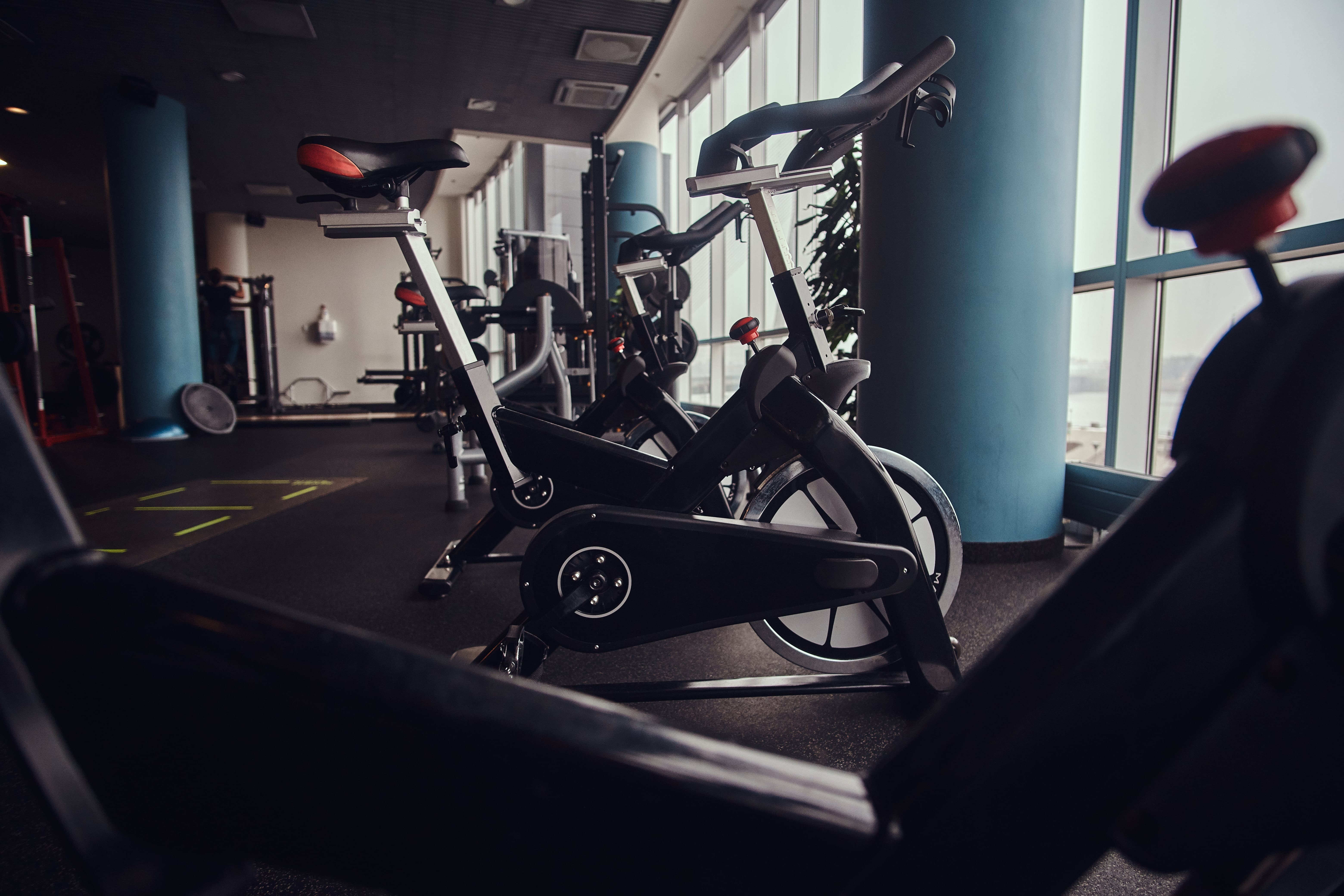
However, with numerous designs flooding the marketplace, the look for the right exercise bike can be frustrating. This guide is developed to assist purchasers browse the choices, understand the crucial functions, and ultimately find the device that finest fits their physical fitness goals, spending plan, and way of life.
Why Invest in an Exercise Bike?
Before diving into the buying process, it helps to understand the unique advantages of owning a stationary bicycle. Unlike running, which can take a heavy toll on knees and ankles, cycling is a low-impact exercise. This makes it a perfect option for people of all ages and physical fitness levels.
- Cardiovascular Health: Regular biking reinforces the heart, decreases high blood pressure, and improves general endurance.
- Weight Management: A vigorous indoor cycling session can burn hundreds of calories in less than an hour.
- Benefit: Bad weather condition, traffic, and darkness are no longer excuses to avoid a workout.
- Mental Well-being: Like all kinds of exercise bikes home, cycling releases endorphins, helping to minimize tension and boost mood.
Types of Exercise Bikes
The initial step in the search is figuring out which type of bike suits the user’s physical needs and workout style. Generally, stationary bicycle exercise bicycle fall under 3 main categories:
1. Upright Bikes
Upright bikes closely mimic the feel of a standard outdoor bicycle. The rider sits upright, engaging their core muscles to stay balanced.
- Best for: General fitness, high-intensity interval training (HIIT), and recreational riding.
- Pros: Compact footprint, engages more core muscles, flexible.
- Cons: Can trigger lower back or neck fatigue throughout long sessions.
2. Recumbent Bikes
Recumbent bikes include a bigger, bucket-style seat with a backrest, placed behind the pedals rather than above them.
- Best for: Individuals with pain in the back, joint concerns, elders, and those looking for a comfortable, long-duration exercise.
- Pros: Excellent lumbar assistance, highly comfortable, safer for newbies.
- Cons: Takes up more flooring area, typically less suited for intense out-of-the-saddle sprinting.
3. Indoor Studio Cycles (Spin Bikes)
These are the heavy-duty bikes commonly found in store cycling classes. They include a heavy weighted flywheel and permit the rider to stand up and imitate hill climbs up and sprints.
- Best for: Advanced bicyclists, spin class lovers, and those wanting a rigorous, sweat-drenching exercise.
- Pros: Highly durable, realistic road-bike feel, supports aggressive riding styles.
- Cons: Can be uneasy for novices; frequently requires specific cycling shoes.
Key Features to Evaluate
When looking for stationary bicycle, consumers need to look beyond the shiny marketing images and analyze the technical requirements. The following features deserve the closest attention:
- Resistance Mechanism: Magnetic resistance is smooth, quiet, and practically maintenance-free. Friction resistance (utilizing felt pads) is less expensive and offers extreme resistance, however it tends to be noisier and breaks gradually.
- Flywheel Weight: For spin bikes, a much heavier flywheel (usually in between 30 to 40 pounds) supplies a smoother, more momentum-driven pedal stroke.
- Console and Connectivity: Basic designs display time, speed, distance, and calories. Advanced clever bikes include HD touchscreens that stream live and on-demand classes by means of subscriptions like Peloton, iFit, or Zwift.
- Adjustability: Ensure the seat moves both vertically and horizontally, and check if the handlebars are adjustable to prevent awkward riding postures.
Comparison of Exercise Bike Types
To help envision the differences, the table listed below breaks down the core qualities of each major bike type:
| Feature | Upright Bike | Recumbent Bike | Indoor Studio mini cycle exercise bike |
|---|---|---|---|
| Primary Muscle Focus | Quads, calves, core | Glutes, hamstrings, quads | Complete lower body, core, upper body (minor) |
| Back Support | None | Complete backrest | None |
| Footprint/ Space | Little | Big | Medium to Small |
| Intensity Potential | Moderate to High | Low to Moderate | High to Extreme |
| Ideal User | General physical fitness seekers | Senior citizens, rehabilitation, back pain sufferers | Enthusiasts, class-goers |
| Average Price Range | ₤ 300– ₤ 1,000 | ₤ 400– ₤ 1,200 | ₤ 600– ₤ 2,500+ |
Steps to Take Before Making a Purchase
Searching for fitness equipment needs a methodical method. Purchasers should follow these key steps to guarantee complete satisfaction with their investment:
- Measure the Space: Don’t think. Procedure the designated workout area and compare it with the product dimensions, remembering the clearance required to get on and off the machine safely.
- Identify the Budget: Factor in possible hidden costs, such as shipment charges, assembly services, and month-to-month membership charges for streaming workout apps.
- Check Weight Capacities: Ensure the bike’s optimum weight limitation conveniently accommodates all intended users in the family.
- Read Real User Reviews: Marketing descriptions constantly highlight the positives. User reviews on independent forums and retail websites will reveal common complaints regarding resilience, client service, or noise levels.
- Understand the Warranty: A quality stationary bicycle should include a robust service warranty– preferably covering the frame for 5 to 10 years and parts/labor for 1 to 3 years.
Summary Checklist for Buyers
Before pulling the trigger on an online cart or leaving of a physical fitness display room, run through this quick list:
- Have I picked the right category (Upright, Recumbent, or Studio)?
- Is the resistance system magnetic for a quieter, smoother ride?
- Can the seat and handlebars adapt to fit my height effectively?
- Does the console match my tech preferences (simple display vs. streaming touchscreen)?
- Have I measured my flooring area and verified the device’s footprint?
- Is the guarantee thorough adequate to safeguard my investment?
Discovering the perfect exercise bike is a journey of stabilizing personal physical fitness objectives, physical needs, and readily available area. Whether the objective is gentle recovery riding on a comfy recumbent bike or extreme, sweat-pounding periods on a studio mini cycle exercise bike, the marketplace offers something for everybody. By thoroughly assessing functions, understanding the distinctions in between bike types, and setting a clear spending plan, buyers can make an informed option that will serve as a reputable fitness buddy for many years to come.