

Great Exercise Bikes
Add a review FollowOverview
-
Founded Date February 17, 2004
-
Sectors TEST
-
Posted Jobs 0
-
Viewed 2
Company Description
An In-Depth Look Back What People Said About Exercise Bicycle 20 Years Ago
The Ultimate Guide to Exercise Bicycles: Pedaling Your Way to Better Health
In an era where convenience frequently trumps physical activity, discovering reliable methods to stay fit in the house has ended up being a top priority for numerous health-conscious people. Amongst the myriad of home physical fitness equipment offered, the exercise bicycle for sale bicycle stays an ageless staple. Whether aiming to shed a few pounds, improve cardiovascular endurance, or keep mobility during the colder months, a fixed bike offers a versatile, low-impact service for users of all fitness levels.
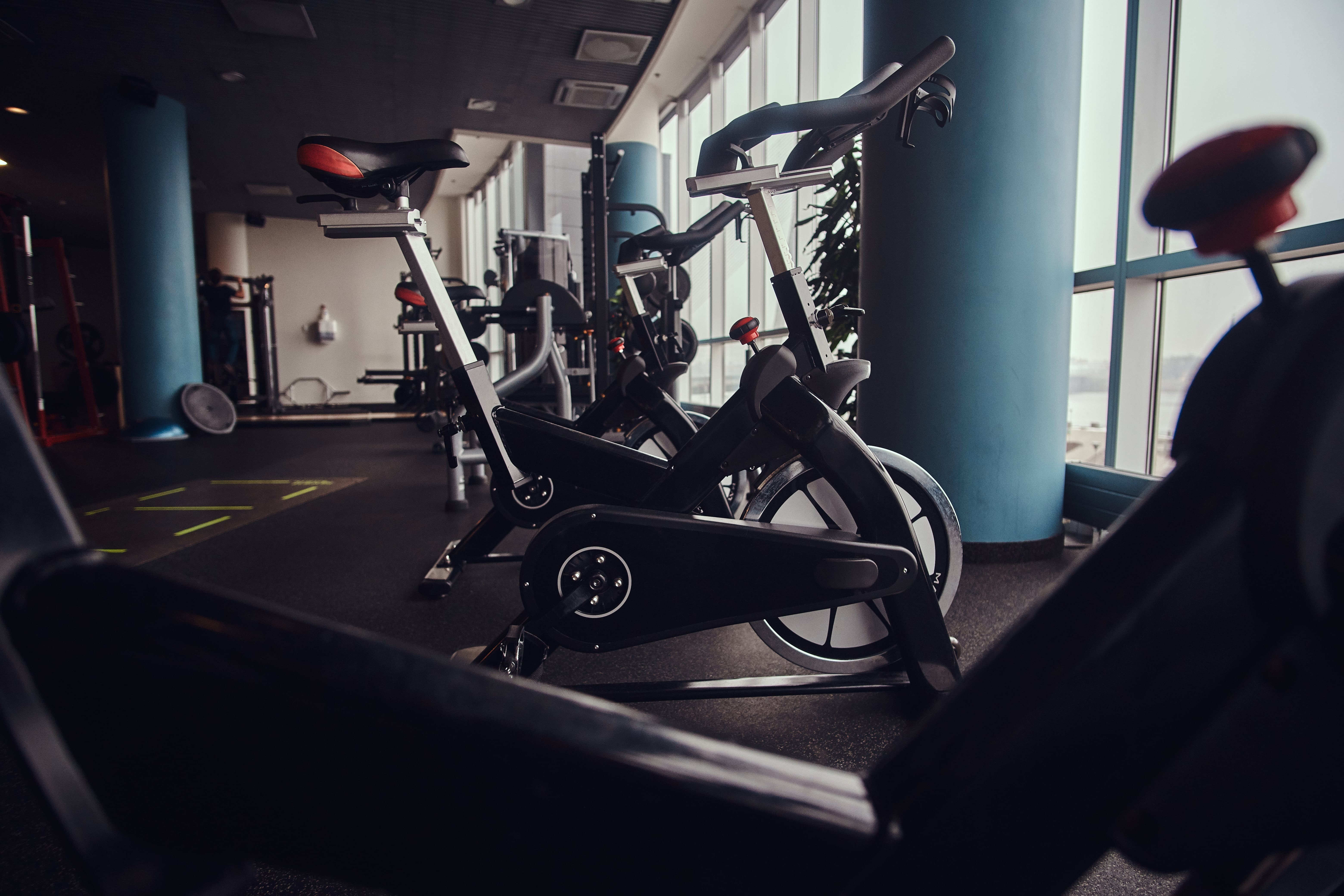
This comprehensive guide checks out everything one requires to understand about exercise bikes, assisting physical fitness lovers and beginners alike make an educated investment in their health.
The Evolution of the Stationary Bike
Gone are the days when exercise bicycles were easy, uneasy metal frames with a basic resistance knob. Today’s market boasts high-tech marvels geared up with high-definition touchscreens, live-streamed classes, magnetic resistance systems, and intricate performance-tracking metrics.
Despite these technological developments, the core function of the exercise bike remains the same: to simulate outside biking in a controlled, indoor environment. Modern iterations, nevertheless, deal with varied exercise designs, making them appropriate for casual spinners, devoted bicyclists, and everybody in between.
Significant Types of Exercise Bicycles
Choosing the ideal exercise bicycle starts with understanding the distinct categories available on the market. Each type accommodates various ergonomic needs, physical fitness goals, and spatial constraints.
1. Upright Bikes
Upright bikes carefully simulate the posture and feel of a standard outdoor roadway bicycle. The user sits vertically over the pedals, which engages the core muscles more extremely due to the fact that the body need to support itself without back assistance.
- Best For: General fitness, high-intensity interval training (HIIT), and users who choose a standard cycling posture.
- Secret Benefits: Engages core muscles, takes up less flooring space, and uses a rigorous workout.
2. Recumbent Bikes
Recumbent bikes include a bucket-style seat geared up with a complete back-rest, positioned behind the pedals rather than directly above them. This design disperses body weight more equally and provides robust lumbar support.
- Best For: Individuals with lower back discomfort, seniors, rehab clients, and those looking for a comfortable, low-stress exercise.
- Key Benefits: Reduces joint and back stress, extremely comfortable for long sessions, and available for users with minimal movement.
3. Indoor Cycling Bikes (Spin Bikes)
Often found in boutique fitness studios, spin bikes are designed for energetic, high-endurance exercises. They usually include heavy weighted flywheels that develop a smooth, momentum-driven ride, together with totally adjustable handlebars and seats to accommodate aggressive riding positions (such as standing climbs up).
- Best For: Advanced bicyclists, intense cardio hunters, and fans of group-style indoor cycling classes.
- Secret Benefits: Highly resilient, mimics outside roadway racing conditions, and permits for out-of-the-saddle riding.
Comparing the Options: At-a-Glance
To assist envision the distinctions, the table below describes the main functions of each major bicycle type:
| bike home exercise Type | Posture | Joint Impact | Primary Muscle Focus | Perfect User |
|---|---|---|---|---|
| Upright | Vertical, leaning slightly forward | Low-to-Moderate | Quads, Hamstrings, Core | General physical fitness lovers |
| Recumbent | Reclined with back support | Extremely Low | Glutes, Quads, Calves | Senior citizens, rehabilitation clients, back-pain sufferers |
| Indoor Cycle | Aggressive, adjustable | Low | Entire lower body, Core, Arms | Serious bicyclists, HIIT fans |
Secret Health Benefits of Cycling Indoors
Investing time in a stationary bike exercise home yields a wide variety of physical and psychological health benefits. Integrating routine biking sessions into a weekly routine can transform total wellness in several ways:
- Cardiovascular Endurance: Cycling gets the heart pumping, which enhances the cardiovascular system, reduces resting heart rate, and assists manage blood pressure.
- Low-Impact Joint Protection: Unlike running or high-impact aerobics, biking is gentle on the knees, hips, and ankles, making it an excellent choice for individuals with joint level of sensitivities.
- Lower Body Strength: The constant pedaling motion targets major muscle groups in the legs, consisting of the quadriceps, hamstrings, glutes, and calves.
- Weight Management: Depending on intensity and body weight, a vigorous biking session can burn between 400 and 600 calories per hour, assisting substantially in calorie deficits and weight reduction.
- Convenience and Weather Independence: Rain, snow, or severe heat will never ever disrupt an exercise cycle for home schedule when the health club lies right in the living-room or office.
Vital Features to Consider Before Buying
With numerous models offered, buying an exercise bicycle can feel overwhelming. Purchasers need to examine several critical aspects before making a last purchase:
Resistance Mechanisms
- Friction Resistance: Uses felt pads that push against the flywheel. It is normally less expensive, but the pads break in time and require periodic replacement.
- Magnetic Resistance: Uses magnets to develop tension without physical contact. It is practically silent, requires absolutely no maintenance, and uses smoother shifts.
Adjustability
A bike must fit the user’s body appropriately to avoid injury and maximize convenience. Search for designs with quickly adjustable seat heights, fore/aft seat positions, and handlebar settings.
Console and Connectivity
Modern bikes range from basic LCD screens displaying fundamental metrics (time, speed, range, calories) to clever tablets with built-in Wi-Fi, streaming capabilities, and interactive fitness subscriptions. Buyers must consider whether they choose an easy, subscription-free trip or an immersive, connected physical fitness experience.
Tips for Safe and Effective Workouts
To take full advantage of the advantages of an exercise bicycle while lessening the danger of strain or injury, riders must keep the following best practices in mind:
- Check the Setup: Ensure the seat height is properly changed. When the pedal is at the bottom of the stroke, the user’s knee must have a slight bend (around 25 to 30 degrees).
- Keep Proper Form: Keep the shoulders unwinded, core engaged, and back neutral. Prevent slouching over the handlebars, especially during longer sessions.
- Stay Hydrated: Indoor biking causes significant sweating. Constantly keep a water bottle nearby throughout exercises.
- Graduate Intensity: Beginners ought to start with brief, moderate-intensity sessions (15– 20 minutes) and slowly increase period and resistance over numerous weeks.
- Consist of Cool-Downs: Never stop pedaling quickly. Invest the last 3 to 5 minutes of a session pedaling gradually at no resistance to assist the heart rate return to normal.
Exercise bicycles have actually shown their worth as reputable, flexible, and highly efficient physical fitness tools. Whether the goal is to pedal away stress after a long workday, rehabilitate a joint injury, or train for an upcoming outdoor biking season, there is a stationary bicycle tailored to every specific requirement. By comprehending the distinctions between upright, recumbent, and spin models– and keeping individual health objectives in mind– anybody can find the perfect device to embark on a successful, long-lasting physical fitness journey.