

Home Exercise Equipment Best
Add a review FollowOverview
-
Founded Date December 31, 1946
-
Sectors TEST
-
Posted Jobs 0
-
Viewed 4
Company Description
How Home Exercise Bike Propelled To The Top Trend In Social Media
Pedaling to Peak Fitness: The Ultimate Guide to Home Exercise Bikes
In a period where benefit rules our daily routines, finding time to strike the fitness center can seem like an impossible difficulty. Between long work hours, household dedications, and unpredictable weather condition, preserving a constant fitness routine often takes a backseat. Get in the home exercise cycle bike bike– a classic, highly efficient piece of physical fitness devices that has gone through a modern-day digital transformation.
Whether the objective is to drop weight, enhance cardiovascular health, or train for a marathon, a stationary bicycle provides a low-impact, high-reward exercise right from the comfort of the living-room. This thorough guide explores whatever one requires to understand about picking, using, and taking full advantage of exercises on a home stationary bicycle.
Why Choose a Home Exercise Bike?
Purchasing home fitness devices is a big decision, but stationary bicycle remain among the most popular choices for several compelling factors:
- Joint-Friendly Workout: Unlike running or high-impact aerobics, biking puts very little tension on the knees, ankles, and hips. It appropriates for all ages and fitness levels.
- Cardiovascular Health: Regular biking reinforces the heart, reduces blood pressure, and enhances overall lung capacity.
- Calorie Burning: Depending on intensity, an individual can burn anywhere from 400 to 600 calories per hour on a Stationary bike exercise bicycle.
- Weather-Proof Consistency: Rain, snow, or extreme heat will never ever thwart an arranged workout once again.
- Multitasking Capability: It is easy to capture up on a preferred television program, listen to an audiobook, or perhaps read while pedaling at a moderate rate.
Understanding the Types of Exercise Bikes
Before diving into the marketplace, it is crucial to understand that not all exercise cycle for sale bikes are developed equivalent. Different styles cater to different body types, physical fitness objectives, and space constraints.
1. Upright Bikes
Upright bikes imitate the feel of a traditional roadway bicycle. The rider sits upright, and the pedals are placed straight underneath the body.
- best exercise bicycle for: General fitness, muscle toning, and standing-climb periods.
- Pros: Compact footprint, engages core muscles effectively.
- Cons: Can trigger lower back or neck strain throughout long sessions for some users.
2. Recumbent Bikes
Recumbent bikes include a laid-back, bucket-style seat with a back-rest, and the pedals are positioned out in front of the rider rather than underneath.
- Best for: Beginners, older adults, people with pain in the back, and long, steady-state cardio sessions.
- Pros: Excellent back support, highly comfortable, very stable.
- Cons: Takes up more flooring space; less reliable for high-intensity, out-of-the-saddle sprinting.
3. Indoor Cycling Bikes (Spin Bikes)
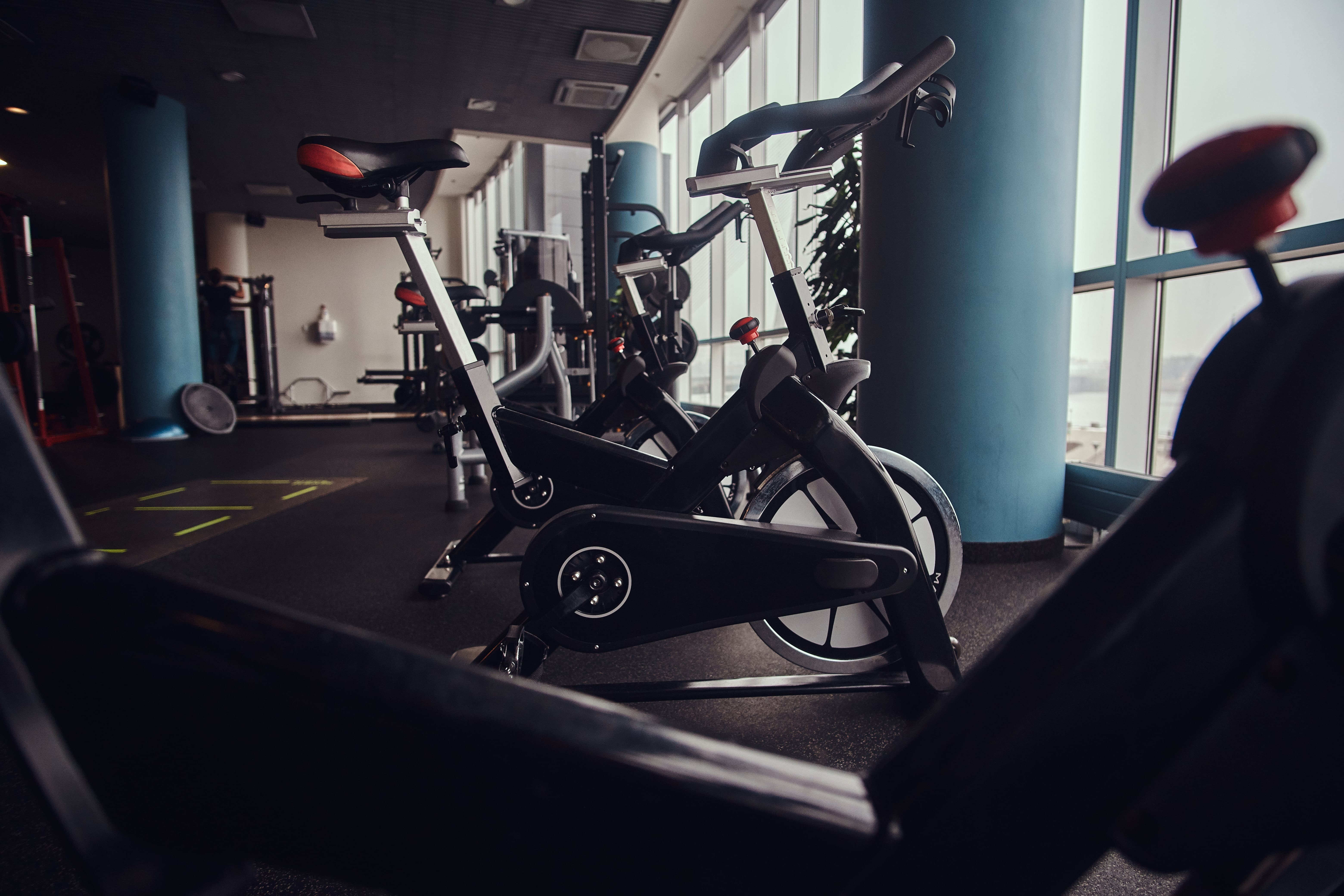
These bikes are developed to reproduce outdoor racing bikes. They include heavy flywheels, direct-resistance systems, and enable the rider to stand and pedal– a staple of store spin classes.
- Best for: High-intensity interval training (HIIT), major cyclists, and immersive digital classes.
- Pros: Highly durable, mimics real road biking, permits for extreme caloric burn.
- Cons: Seats can be unpleasant at first; needs correct kind to avoid injury.
Comparing the Options: At-a-Glance
To help picture the distinctions, the following table breaks down the crucial functions of each major bike type:
| Bike Type | Primary Focus | Finest Suited For | Footprint | Effect on Joints |
|---|---|---|---|---|
| Upright | General Cardio | Daily fitness lovers | Small | Low to Moderate |
| Recumbent | Comfort & & Rehabilitation Beginners & those with | back problems & Big Really Low Spin/ Indoor High-Intensity/ Power Experienced riders & HIIT fans Medium Low | ||
| Secret Features to | Look For When shopping for | a home exercise bike, & customers | ought to | evaluate |
several technical specifications
to make sure the machine satisfies their needs: Resistance Mechanism: Friction resistance utilizes felt pads(typical in spending plan spin bikes and needs occasional replacement
- ), while magnetic resistance utilizes magnets and metal flywheels for a smoother, quieter, and maintenance-free trip. Flywheel Weight: Generally, much heavier flywheels(normally 30– 40 lbs for spin bikes)offer a smoother, more momentum-driven pedal stroke. Adjustability: Ensure the seat changes both vertically and horizontally, and preferably, examine that the handlebars are adjustable as well.
- A proper fit prevents injuries. Console and Connectivity: Modern bikes vary from basic LCD screens displaying time, speed, and calories to enormous HD touchscreens that stream live and on-demand classes
- through subscriptions like Peloton, iFit, or Zwift. Weight Capacity: Always inspect the manufacturer’s optimum weight limitation to guarantee stability and security. Tips for Maximizing Your Home Cycling Workout Merely sitting on a bike and pedaling casually will yield minimal results. To really transform physical fitness levels, riders should carry out these methods: Maintain Proper Form: Keep your shoulders unwinded, elbows somewhat bent, and core engaged. Avoid slouching over the handlebars. Adjust Seat Height Correctly: When the pedal is at the bottom of the stroke, your leg should have a small bend(about a 25-to-30-degree angle at the knee). If your hips rock, the
- seat is too high; if your knees feel confined, it is too low. Include Interval Training: Alternate in between high-intensity sprints and low-recovery
- periods. HIIT is clinically shown to increase metabolism and enhance cardiovascular endurance faster than steady-state cardio alone. Stay Hydrated: Just since you are inside does not imply you won’t sweat a lot. Keep a water bottle within arm’s reach. Suggested Weekly Routine
- for Beginners Consistency is the secret ingredient to any fitness journey. Below is a sample beginner-friendly weekly schedule designed to build endurance without burnout: Monday: 20 minutes of steady-state biking(Moderate pace, concentrate on keeping an even cadence ). Tuesday: Rest or light extending. Wednesday: 15-minute interval exercise(1 minute difficult sprint, 2 minutes slow recovery; repeat 5 times).
Thursday: Rest. Friday: 25-minute beautiful ride(Use a digital app or view a travel video to keep things engaging). Saturday: 20-minute fun trip to upbeat music. Sunday: Complete day of rest. Last Thoughts A home stationary bicycle is even more
- than just a clothes hanger in the bedroom– it is an investment in long-term health, mental clearness, and physical vitality.
- By choosing the ideal design for individual needs,
- setting it up properly, and devoting to a balanced routine, anyone can attain their fitness turning points without ever leaving
- your home.
- Whether spinning away tension after a long workday or pushing through an extreme weekend workout, the journey to
- a much healthier way of life is simply a pedal stroke away.
- through subscriptions like Peloton, iFit, or Zwift. Weight Capacity: Always inspect the manufacturer’s optimum weight limitation to guarantee stability and security. Tips for Maximizing Your Home Cycling Workout Merely sitting on a bike and pedaling casually will yield minimal results. To really transform physical fitness levels, riders should carry out these methods: Maintain Proper Form: Keep your shoulders unwinded, elbows somewhat bent, and core engaged. Avoid slouching over the handlebars. Adjust Seat Height Correctly: When the pedal is at the bottom of the stroke, your leg should have a small bend(about a 25-to-30-degree angle at the knee). If your hips rock, the