

Stationary Bikes Exercise Bikes
Add a review FollowOverview
-
Founded Date November 24, 1996
-
Sectors TEST
-
Posted Jobs 0
-
Viewed 6
Company Description
The Best Tips You’ll Ever Receive About Stationary Bike
The Ultimate Guide to the Stationary Bike: Benefits, Types, and Workouts
In the modern-day physical fitness landscape, health lovers and casual exercisers alike are constantly browsing for effective, low-impact ways to remain in shape. Amidst a sea of trending exercise trends, one timeless piece of equipment continues to reign supreme in home exercise equipment health clubs and fitness clubs worldwide: the stationary bike.
Whether utilized for a high-intensity period training (HIIT) session, a steady-state cardio routine, or gentle physical rehab, the fixed bicycle uses a flexible and effective path to better health. This comprehensive guide explores the complex benefits of indoor cycling, the various kinds of bikes offered, and actionable workouts to elevate your fitness journey.
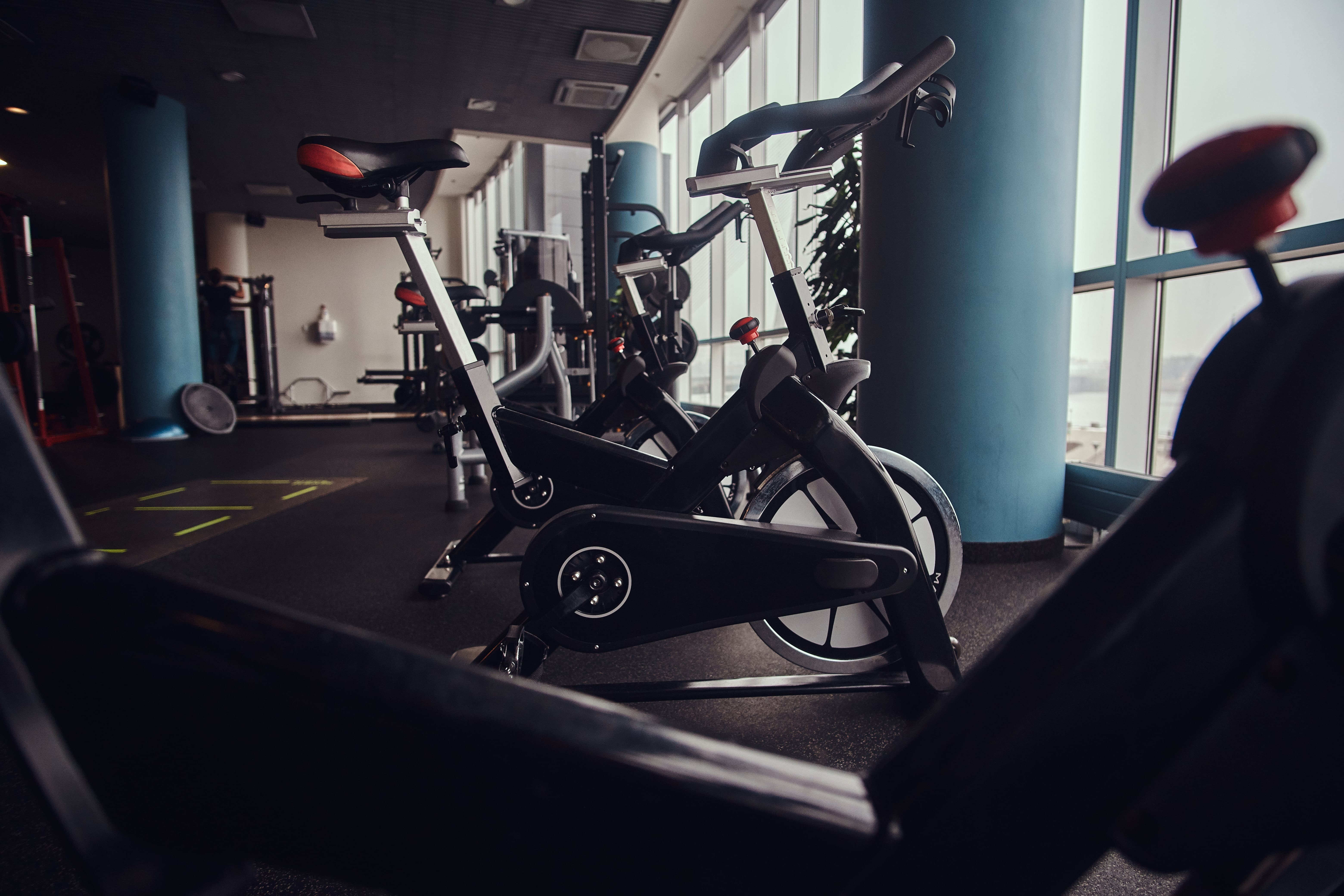
Why Choose a Stationary Bike? The Top Benefits
Riding a stationary bicycle is far more than just a method to kill time while enjoying television. It supplies a robust suite of physical and psychological health benefits backed by exercise science.
1. Joint-Friendly Low-Impact Cardio
For people with joint pain, arthritis, or those recuperating from injuries, high-impact activities like running can be destructive. Indoor biking provides an efficient cardiovascular exercise cycle for sale without placing excessive stress on the knees, hips, and ankles. The smooth, circular movement of pedaling safeguards the joints while still elevating the heart rate.
2. Cardiovascular Health and Endurance
Regular biking reinforces the heart and lungs, exercise bike For House enhancing the body’s ability to use oxygen effectively. Gradually, constant cardio exercise lowers resting heart rate, decreases high blood pressure, and reduces the risk of heart disease.
3. Muscle Toning and Strength
While biking is mainly known as a cardio workout, it is likewise exceptional for building lower-body strength. It targets and tones a number of major muscle groups:
- Quadriceps: Engaged mainly during the down push stage.
- Hamstrings and Glutes: Recruited throughout the upward pull and push-back phases.
- Calves: Active throughout the whole pedal stroke.
- Core: Engaged to maintain stability and posture, especially during out-of-the-saddle climbing.
4. Convenient and Weather-Proof
Rain, snow, severe heat, or dark winter evenings can rapidly derail an outside exercise bicycle regimen. A stationary bicycle offers absolute convenience, enabling people to exercise safely inside at any time of day, despite external weather conditions.
Kinds Of Stationary Bikes: Which One is Right for You?
Not all fixed bikes are created equivalent. Various styles cater to distinct fitness goals, convenience preferences, and physique.
| Bike Type | Best For | Secret Features | Comfort Level |
|---|---|---|---|
| Upright Bike | Standard cyclists, general fitness, core engagement | Upright posture, comparable to a standard outdoor bicycle; smaller sized footprint. | Moderate (can cause neck/shoulder pressure for newbies) |
| Recumbent Bike | Lower back issues, seniors, injury healing, steady-state cardio | Reclined seating position with a backrest; pedals are located forward. | High (exceptional lumbar assistance) |
| Indoor Cycle (Spin Bike) | High-intensity exercises, roadway cyclists training inside, immersive classes | Heavy weighted flywheel, direct-resistance knob, adjustable handlebars for standing climbs up. | Low-to-Moderate (created for performance, not lounging) |
| Air Bike (Assault Bike) | CrossFit lovers, HIIT, full-body conditioning | Fan resistance that increases the harder you push and pull the manages. | Moderate (requiring and intense) |
Maximizing Your Workout: Essential Gear and Setup
Before leaping onto a fixed bike, appropriate setup and preparation are important to avoid injury and optimize efficiency.
Proper Bike Adjustment
- Seat Height: Stand next to the bike and adjust the seat so it aligns with your hip bone. When seated with the ball of your foot on the pedal at the most affordable point (6 o’clock position), your knee needs to have a slight bend (about a 25-to-35-degree angle).
- Seat Position (Fore/Aft): When your pedals are parallel to the flooring (3 and 9 o’clock), your front knee need to align straight over the ball of your foot.
- Handlebar Height: Handlebars must be set at a height that permits you to keep a neutral spinal column without excessive rounding of the shoulders. Beginners typically take advantage of higher handlebars, while sophisticated riders might reduce them for an aerodynamic, aggressive posture.
Recommended Gear
- Appropriate Footwear: Stiff-soled athletic shoes prevent foot tiredness. Some spin bikes accommodate biking shoes with SPD cleats for a more safe connection.
- Cushioned Shorts: For longer sessions, cushioned biking shorts (chamois) can significantly decrease pain.
- Water Bottle: Indoor biking causes heavy sweating; keeping hydrated is non-negotiable.
- Towels: Keep a sweat towel curtained over the handlebars for security and comfort.
Three Effective Stationary Bike Workouts
To break the dullness of steady-state pedaling, try incorporating these structured exercises into your weekly regimen.
Workout 1: The 20-Minute Beginner Steady-State Ride
Ideal for constructing endurance and burning calories without frustrating the system.
- Warm-up (5 minutes): Easy pedaling at a low resistance, keeping RPM (transformations per minute) around 70– 80.
- Main Set (12 minutes):
- Increase resistance to a moderate level.
- Pedal at a consistent cadence (80– 90 RPM) where discussion feels a little tough but manageable.
- Cool-down (3 minutes): Reduce resistance to no and slowly pedal at 60 RPM to decrease the heart rate.
Exercise 2: The 30-Minute HIIT Fat-Burner
Great for enhancing metabolic process and enhancing cardiovascular capacity.
- Warm-up (5 minutes): Gradual construct from light to moderate resistance.
- Periods (20 minutes): Repeat the list below cycle 8 times:
- Sprint (30 seconds): Maximum effort, high resistance, out-of-the-saddle (or high-speed seated).
- Recovery (90 seconds): Light resistance, slow and steady pedal stroke to capture your breath.
- Cool-down (5 minutes): Easy spin and mild lower-body extending.
Workout 3: The 45-Minute Hill Climb Simulation
Concentrated on structure lower-body muscular endurance and power.
- Warm-up (5 minutes): Light resistance spin.
- Climb Phase 1 (10 minutes): Moderate resistance, low cadence (60– 70 RPM). Concentrate on pushing down and bring up.
- Recovery (3 minutes): Light resistance, fast cadence (90+ RPM).
- Climb Up Phase 2 (12 minutes): Heavy resistance, low cadence (55– 65 RPM). Alternate in between seated climbing and standing climbs (30 seconds standing, 60 seconds seated).
- Healing (5 minutes): Fast, light-resistance spin.
- Last Peak (5 minutes): Maximum sustainable resistance climb.
- Cool-down (5 minutes): Easy pedal and deep breathing.
Typical Mistakes to Avoid
Although indoor biking is reasonably uncomplicated, users regularly make a few errors that limit their progress or lead to injury:
- Slouching: Allowing the lower back to round locations unnecessary stress on the spine. Keep your core engaged and shoulders unwinded far from your ears.
- Absolutely No Resistance (“Bouncing”): Pedaling too quick with zero resistance triggers your hips to bounce in the saddle, which can strain the lower back and minimize exercise effectiveness. Always keep a standard level of resistance.
- Overlooking Hydration: Because indoor cycling lacks the cooling breeze of outdoor riding, body temperature level rises rapidly. Failing to consume water can lead to premature fatigue and lightheadedness.
- Bring up Exclusively: While it’s great to engage the hamstrings on the upstroke, forcefully bring up on the pedals can interrupt your pedaling fluidity. Focus mainly on a smooth, circular motion (“scraping mud off the bottom of your shoe”).
The stationary bicycle stays a foundation of fitness for excellent reason. Its unrivaled versatility, joint-friendly mechanics, and ability to accommodate everybody from rehabilitation clients to elite professional athletes make it an indispensable addition to any health strategy. By picking the best bike for your way of life, appropriately changing your devices, and differing your exercise regimens, you can pedal your way to a healthier, stronger, and more energized version of yourself.